An Introduction to Shinobazu Pond and Hari-chan II
June 18, 2026
Tokyo University of the Arts, Toride Campus, Ibaraki
Tokyo University of the Arts, Toride Campus, Ibaraki
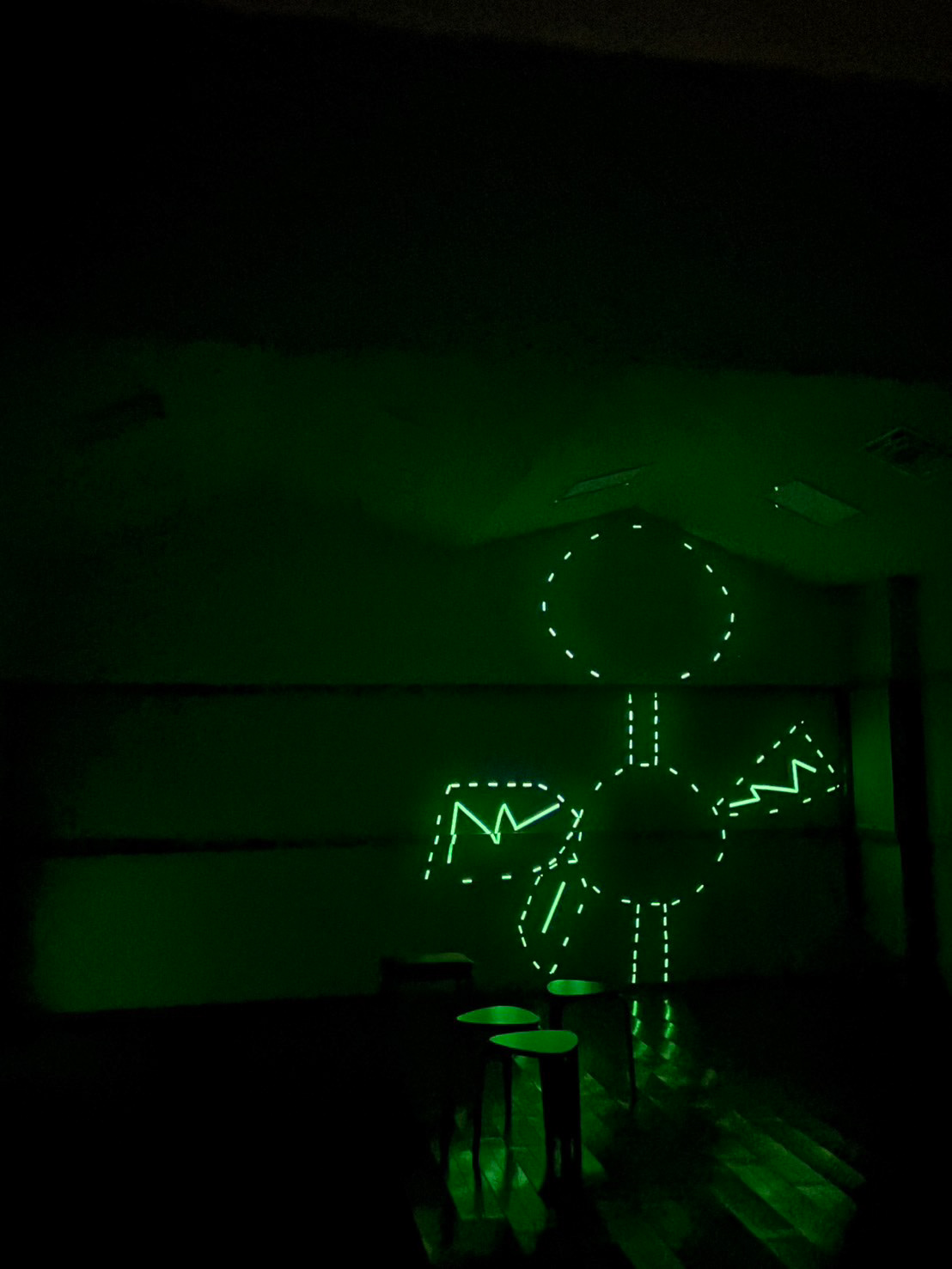
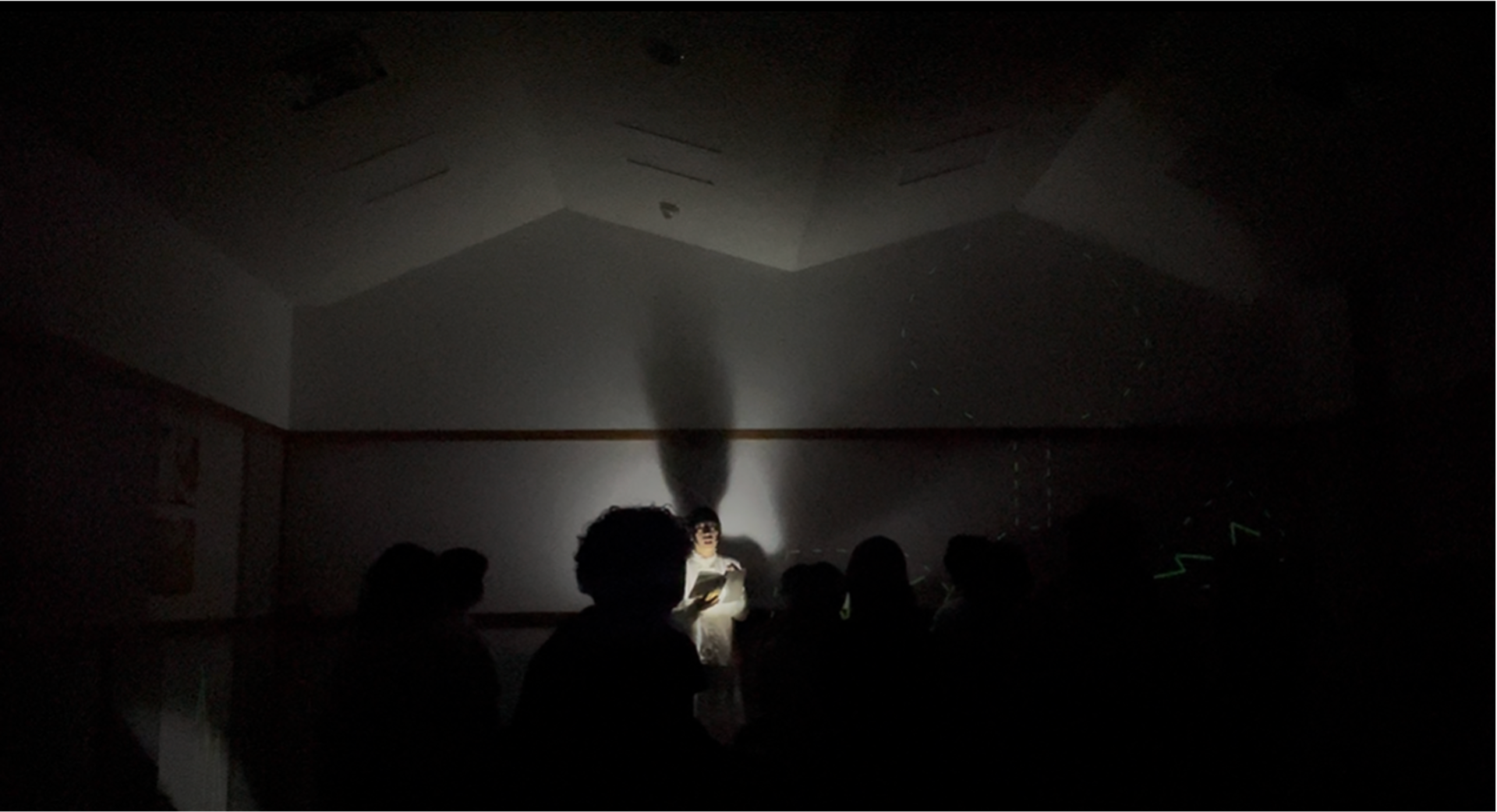
An Introduction to Shinobazu Pond and Hari-chan II was a lecture performance presenting the ongoing research and artistic process surrounding “Hari-chan,” a giant papier-mâché duck associated with the campaign opposing the proposed reclamation of Shinobazu Pond in 1949.
Rather than reconstructing or re-exhibiting the installation from my graduation project, I used my own voice and body to retrace how I encountered the history of the duck, investigated the event, reconstructed its form, and gradually developed a personal relationship with it. The performance brought together spoken narration, archival materials, photographs, music, and descriptions of walks and fieldwork around Shinobazu Pond.
The script moved between historical facts, records of the research process, personal memories, and speculative narration. By combining these different modes of speaking, I attempted to present research not as a linear account leading toward a completed artwork, but as an accumulation of encounters, misunderstandings, discoveries, and decisions.
Following An Introduction to Shinobazu Pond and Hari-chan I, which took the form of an exhibition, talks, workshops, and collective walking, the second project explored how research could be shared through the temporary presence of a performer. It considered the lecture performance as both an archive of a past project and a new artistic practice in itself.
不忍池・ハリちゃん概説Ⅱ
2026年6月18日
東京藝術大学 取手校地(茨城)
東京藝術大学 取手校地(茨城)
《不忍池・ハリちゃん概説Ⅱ》は、1949年に起きた上野・不忍池の埋立問題と、その反対運動の象徴として制作された巨大なアヒルの張子、「ハリちゃん」をめぐるリサーチを、声と身体によってたどり直すレクチャーパフォーマンスである。
卒業制作のインスタレーションを再展示するのではなく、私がアヒルの張子に関する記録と出会い、資料を調べ、その姿を再現しながら、次第に「ハリちゃん」と個人的な関係を結んでいくまでの過程を語った。パフォーマンスでは、朗読、写真や資料、音楽、不忍池周辺での歩行やフィールドワークの記録を組み合わせた。
台本は、歴史的な事実、調査の記録、個人的な記憶、推測や想像を含む語りの間を往復する。これらを重ねることで、リサーチを完成した作品へ向かう直線的な過程としてではなく、偶然の出会い、誤解、発見、選択が蓄積していく経験として提示した。
展示、トーク、ワークショップ、歩行によってリサーチを複数の人々へひらいた《不忍池・ハリちゃん概説Ⅰ》に対し、《概説Ⅱ》では、一人の語り手がその場に一時的に立つことによって、調査をどのように共有できるかを試みた。過去のプロジェクトを伝える記録であると同時に、語り直す行為そのものを新たな作品として捉える実践である。